01
Fit comes before style.
Children’s shoes should feel secure without pressure. A polished look matters, but comfort, toe room, easy movement, and daily practicality should guide the final decision.
A refined guide to choosing children’s shoes with more confidence. This page answers common questions about fit, comfort, school shoes, sneakers, boots, water-ready styles, care, delivery, returns, and everyday wear.
BloomFeet is built for parents who want a calmer footwear shopping experience. Instead of overwhelming families with noisy product claims, we organize guidance around real childhood moments: school mornings, playground movement, rainy sidewalks, beach days, colder seasons, family occasions, and quick slip-on routines.
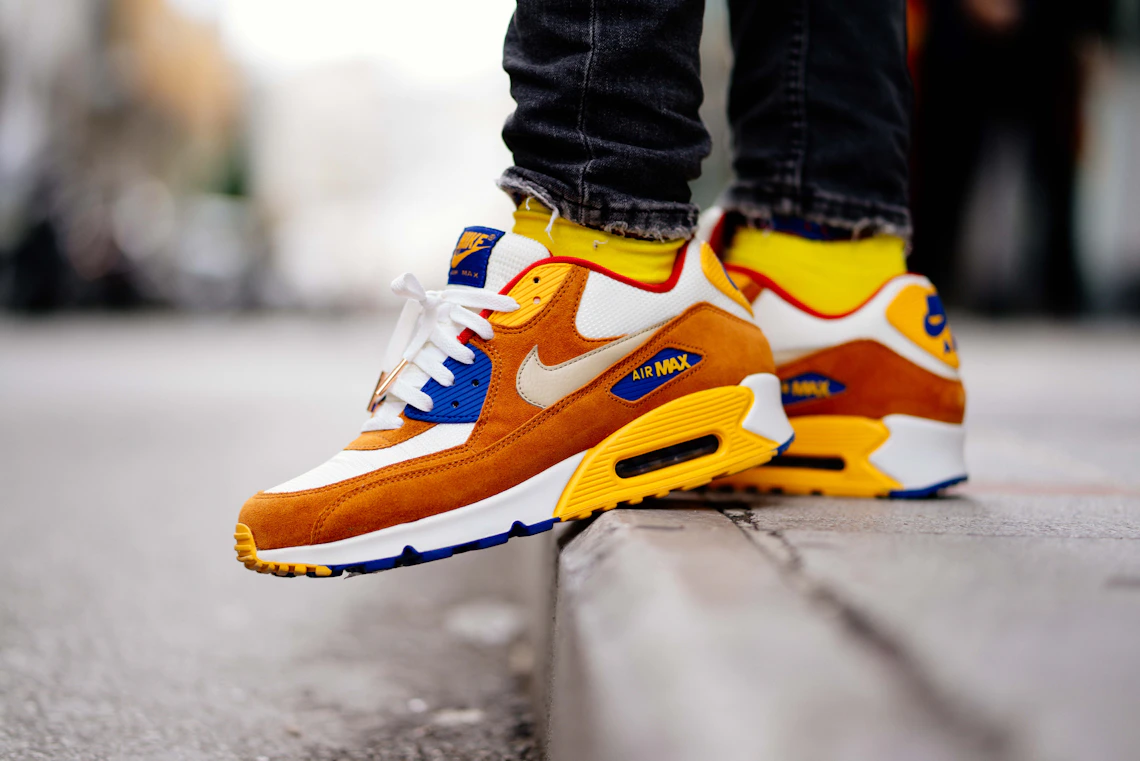
Helpful footwear guidance for school, play, weather, weekends, and family occasions.
Children’s shoes should feel secure without pressure. A polished look matters, but comfort, toe room, easy movement, and daily practicality should guide the final decision.
School shoes, sneakers, rain boots, winter boots, water shoes, and formal dress shoes serve different purposes. A thoughtful footwear wardrobe helps families prepare without overbuying.
Slip-on shoes, secure closures, flexible silhouettes, and parent-friendly categories can make busy mornings smoother while helping children build independence.
Kids’ footwear is made for real life. Gentle cleaning, proper drying, rotation, and storage help shoes stay fresher and more comfortable through repeated wear.
This library is organized around how families actually shop for children’s shoes: fit first, then daily wear, weather, occasions, care, and order support.
A child’s everyday shoe should feel secure around the heel and midfoot while leaving comfortable room at the toes. The shoe should not pinch, slide excessively, or force the child to change their natural walking pattern.
A good fit usually feels stable when walking, flexible enough for movement, and roomy enough for normal foot expansion during the day. For school shoes and sneakers, comfort over multiple hours is more important than a tight fashion fit.
A little growing room can be helpful, but shoes that are too large may cause tripping, heel slipping, rubbing, and reduced stability. Children should be able to walk, run, and turn comfortably without the shoe sliding around the foot.
If your child is between sizes, consider the shoe type. Sneakers and school shoes should feel controlled, while boots may allow slightly more room for socks. The best choice is the size that balances comfort, stability, and natural movement.
Children’s feet can change quickly, so it is helpful to check fit regularly. Look for toe crowding, heel rubbing, marks on the skin, complaints after walking, or a sudden reluctance to wear a pair that previously felt comfortable.
Common signs include toes pressing against the front, red marks, discomfort after a short period, difficulty putting the shoe on, curling toes, or visible strain across the upper.
Children may not always describe fit clearly, so parents should also watch movement. If a child avoids a pair, walks differently, or removes shoes quickly after wearing them, the fit may need attention.
Shoes may be too large if the heel lifts with each step, the foot slides forward, the child trips more often, or the shoe creases in an unusual place. Oversized shoes can feel roomy at first, but they may reduce control.
For active categories like low top sneakers, high top sneakers, hiking shoes, and school shoes, stable fit matters because children move quickly through many surfaces and activities.
Low top sneakers usually feel lighter and easier to pair with daily outfits. They work well for school, weekends, errands, and casual play. High top sneakers offer a taller silhouette and a more covered look around the ankle.
Many families choose low tops for the most versatile everyday rotation and high tops when they want a slightly bolder style, more coverage, or a seasonal streetwear-inspired look.
Slip-on shoes can be excellent for quick routines because they help children get ready with less assistance. They are especially useful for travel, errands, after-school activities, and children who are learning independent dressing.
For long school days, make sure the slip-on style still feels secure. The heel should not slip excessively, and the shoe should stay comfortably in place when walking quickly.
A good school shoe should be comfortable for long wear, simple enough to match uniforms or everyday outfits, and practical for classroom movement, hallways, recess, and daily walking.
Many families find it useful to keep one reliable school or everyday pair, one casual sneaker, and one weather-specific option based on the season. The right number depends on your child’s routine, climate, school requirements, and activity level.
Rotation can help shoes dry out between wears and may keep daily pairs looking fresher for longer.
Sometimes yes, especially if the shoe is a clean sneaker or school-friendly style. However, one pair may wear faster if used for every setting. A second pair can be helpful for rotation, weather, and keeping one option cleaner for school or outings.
Rain boots are best for wet sidewalks, puddles, school drop-offs, garden play, and rainy-day errands. They are designed for protection and easy cleanup rather than all-day athletic movement.
For comfort, pair rain boots with socks that reduce rubbing. After wet use, allow them to dry fully before the next wear.
Water shoes are generally chosen for splash pads, poolside walking, wet play, and situations where quick-drying comfort is important. Beach shoes are often chosen for warm-weather travel, sand, casual outdoor movement, and easy summer styling.
The best choice depends on where your child will wear them most. For repeated wet use, water shoes are usually the first category to consider.
Hiking shoes can be useful when children spend time on trails, uneven park paths, camping trips, or outdoor family adventures. They are designed to feel more adventure-ready than a simple casual sneaker.
For light outdoor walks, sneakers may be enough. For more active terrain, hiking shoes can offer a more purposeful outdoor option.
Winter boots should allow enough room for comfortable socks without squeezing the toes. At the same time, they should not feel so loose that the foot slides around inside the boot.
Try winter boots with the type of socks your child will actually wear. This gives a more realistic fit than testing with thin socks only.
Rain boots and winter boots are excellent for weather protection, but they may not be the best all-day indoor shoe. If your child will be indoors for many hours, consider packing or switching to a lighter school shoe or sneaker when possible.
Formal dress shoes are ideal for family events, holidays, school ceremonies, weddings, birthdays, photos, performances, and occasions where a polished outfit matters.
Since children may wear dress shoes less often, check the fit before the event day. This helps avoid discomfort during long gatherings.
Choose clean shapes, balanced colors, and simple outfit pairings. Low top sneakers can work with denim, shorts, casual dresses, joggers, and school-ready outfits when the color and profile feel refined.
High top sneakers can create a more statement look, especially with relaxed pants, layered outfits, or cooler-weather styling.
School shoes and simple formal-inspired styles usually work best for uniforms. Look for neat silhouettes, easy styling, and colors that align with school requirements.
If the school allows sneakers, choose a clean low top sneaker that looks tidy enough for daily classroom wear.
For travel, comfort and versatility matter most. Slip-on shoes are helpful for quick changes, sneakers are useful for walking, and weather-specific shoes should be added based on the destination.
Start with a soft brush or cloth to remove loose dirt. For most everyday cleaning, use mild soap, cool water, and a gentle cloth. Avoid harsh scrubbing unless the material clearly allows it.
Let sneakers air dry naturally. Strong heat can affect shape, finish, and comfort, so avoid placing shoes directly against heaters or in harsh sunlight for long periods.
Rotation is one of the simplest ways to keep children’s shoes fresher. Give shoes time to air out, remove surface dirt after heavy use, and store pairs in a dry area.
Remove excess moisture with a towel and let the shoes air dry in a ventilated space. If the inside is wet, drying time matters. Shoes should feel fully dry before the next wear to help maintain comfort.
Avoid direct high heat because it may affect materials, shape, or finish.
Store formal dress shoes in a clean, dry place between occasions. Wipe away dust after wear and avoid stacking heavy items on top of them so the shape stays neat.
Since children may outgrow formal shoes before they wear out, check fit before each special event.
Yes. BloomFeet offers free shipping on eligible orders. This keeps the shopping experience simple and helps families plan purchases without extra shipping surprises.
BloomFeet’s standard delivery expectation is 3–5 business days for eligible orders. Delivery timing may depend on order processing, destination, and carrier movement.
Eligible BloomFeet orders may be returned or exchanged within 30 days. This is especially helpful for children’s footwear because fit, growth, and seasonal needs can change quickly.
Email subscribers receive a 15% automatic sitewide discount. Selected products may also receive an automatic 20% discount when available.
BloomFeet offers 24/7 support for questions about products, sizing, delivery, returns, and exchanges. If you are unsure which category best fits your child’s routine, support can help guide you toward the most practical option.
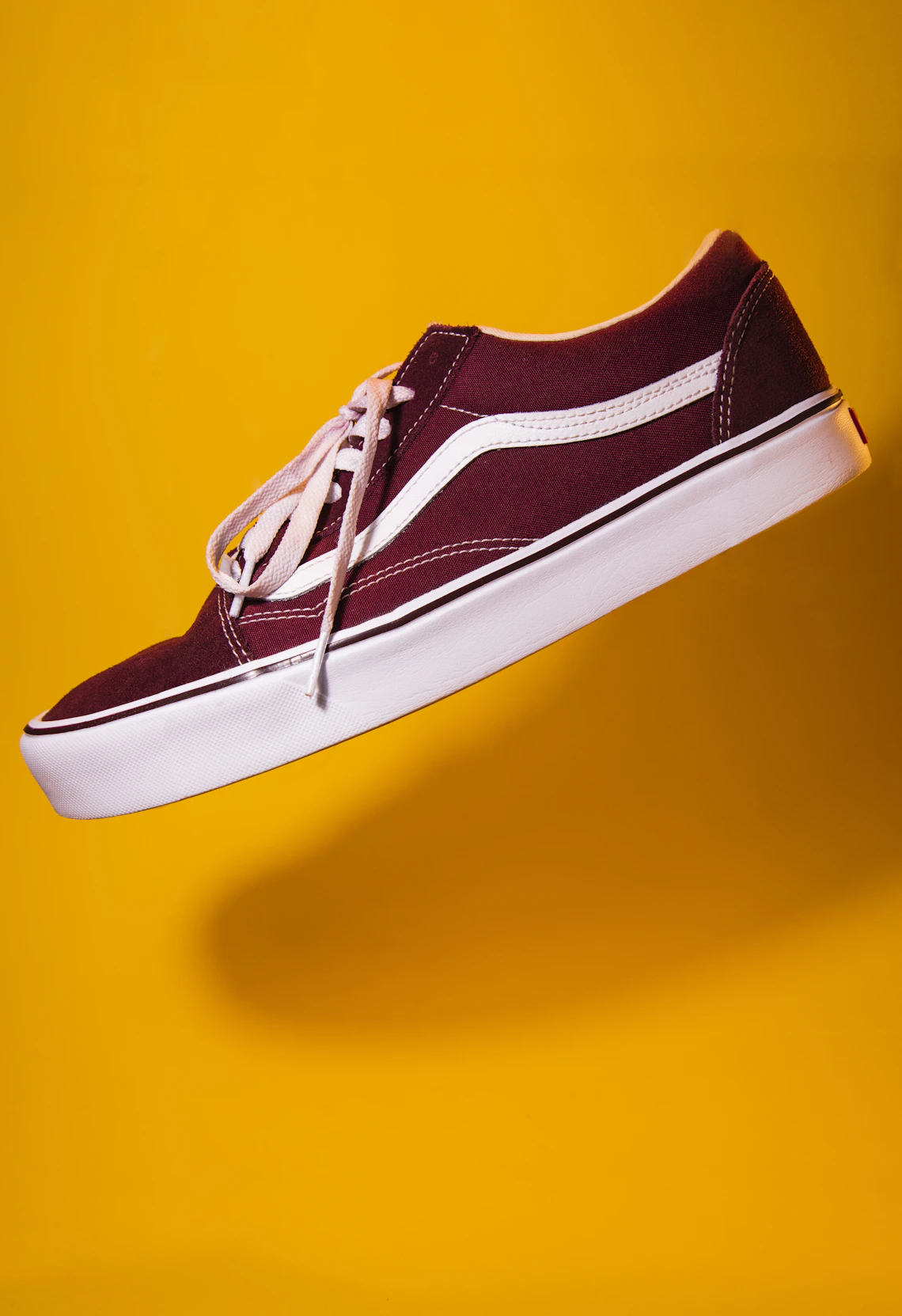
Small habits help children’s shoes stay cleaner, drier, and more comfortable between wears.
Children’s shoes live active lives. A good care routine does not need to be complicated. The goal is to remove surface dirt, dry shoes properly, rotate daily pairs, and choose the right shoe for the right setting.
Alternating sneakers or school shoes gives each pair time to air out and may help them feel fresher through the week.
Rain boots, water shoes, beach shoes, and winter boots should dry fully before being placed back in closets or bags.
Mild soap, cool water, and a soft cloth are often enough for routine cleaning. Gentle care helps preserve finish and shape.
Children grow quickly. Fit checks help parents notice pressure, slipping, rubbing, or outgrown pairs before they become uncomfortable.
The easiest way to choose children’s shoes is to start with the main situation. A child may need a clean school shoe, a flexible everyday sneaker, a protective rain boot, a warm winter boot, a quick slip-on pair, or a polished formal shoe for an upcoming event.
Start with school shoes, low top sneakers, or simple slip-on shoes depending on your child’s dress code.
Choose rain boots, winter boots, water shoes, or beach shoes based on weather and destination.
Formal dress shoes offer a more polished finish for holidays, ceremonies, family gatherings, and special occasions.
High top sneakers, low top sneakers, and hiking shoes help support playground time, parks, trails, and family outings.